|
3 Jul 2026 | 08.00
|
3 Jul 2026 | 08.00





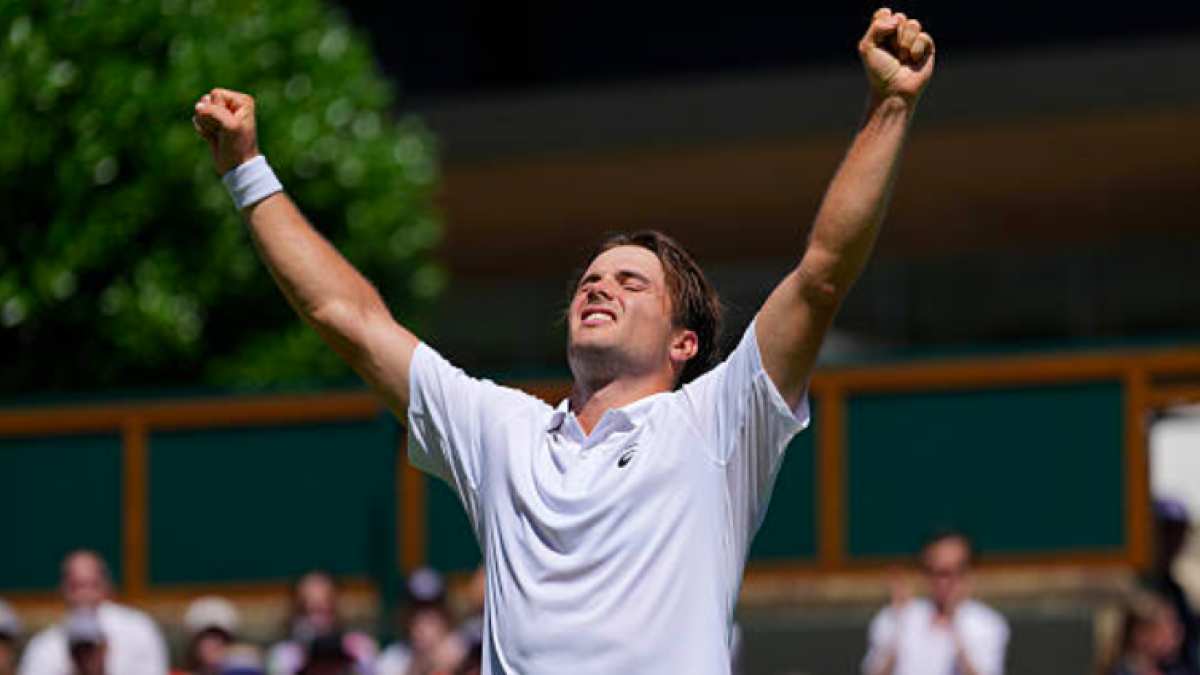


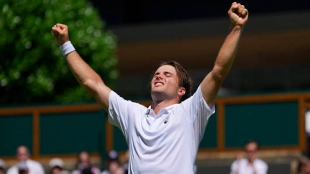
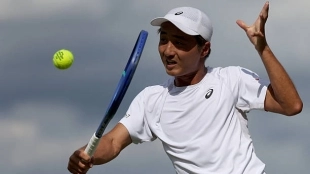
Arthur Fery has become the local sensation at Wimbledon 2026. With his victory over Otto Virtanen, the 23-year-old player qualified for the third round of a Grand Slam for the first time. He has achieved this with an additional weight: being the only British representative still in the tournament in both the men's and women's singles draws, reflecting the challenging moment British tennis is going through.
Fery's journey also reflects a lot of perseverance. He is playing at Wimbledon thanks to a wildcard, his fourth appearance at the London tournament. After being eliminated in the second round of a Grand Slam twice, he has finally made the breakthrough he had been seeking. A former collegiate player at Stanford, raised just ten minutes from the All England Club, with a mother who was also a professional tennis player, his path to the elite level has been very different from other talents of his generation. Now, with a solid game and great competitive maturity, the current world No. 114 is starting to reap the rewards.
Arthur Fery, the sole British survivor at Wimbledon
"This is something I wanted to achieve to keep progressing in my career. I had reached the second round of a Grand Slam twice before, and surpassing that barrier means a lot. Stringing together two strong performances in such a big tournament is not easy, as so many things happen around you, and it's easy to get distracted after winning a match. Being the only Brit left doesn't feel like pressure to me; I even see it as a positive. Obviously, for British tennis, we would have liked to have many more players in the third round. I play for myself; I want to win for myself, but it would be fantastic to have more Brits."
A different style of play, more intelligence-based
"My return is one of my strengths, as well as my mobility and ability to move around the court. Today, Otto was serving consistently above 215 km/h, and I had to try to respond with high quality. That profile fits perfectly with my playing style, as I consider myself a player with great consistency from the baseline, very quick on my feet, with an excellent read on exchanges, and a notable ability to vary heights and directions. Let's say I don't need to dominate with my serve to compete."
His path to professionalism: Stanford before the tour
"When I finished the junior stage, I wasn't ready to play on the professional tour full time, so I chose Stanford University for its academic level and because it offered an alternative plan if tennis didn't work out. It also had one of the best sports programs. Those three years helped me to mature; it gave me time to grow as a person without too much pressure. When I left college, I was really prepared to attack the professional tour and climb in the rankings."
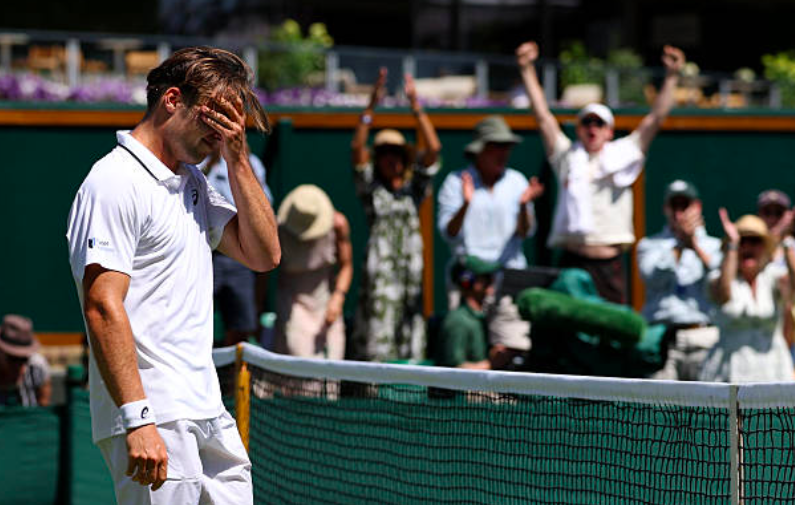
Wimbledon or the feeling of playing at home
"I grew up ten minutes from here; I've been coming to Wimbledon since I was a child, so playing this tournament now is incredible. In these two rounds, there were many friends and relatives in the stands. Every time I look around, I see a familiar face, which makes playing here very special. I didn't even realize that the Princess of Wales was in the stands; at that moment, I was completely focused. If I had known earlier, perhaps I would have been a bit more nervous."
A British identity built over time
"Now I feel completely British. I have been living here for many years, train at the National Tennis Centre, and the federation has helped me greatly. Ten years ago, perhaps I would have answered differently, but today I feel British at heart. My mother, who was a professional, and my father have influenced my development significantly; thanks to them, I continued studying when other players left school very early to focus solely on tennis. Maybe I have arrived a bit later than others, but I feel fresh and believe I still have many years of career ahead."
Cette actualité est une traduction automatique. Vous pouvez lire la nouvelle originale Arthur Fery, el único superviviente en Wimbledon de un tenis británico en crisis
-
 03 Jul 2026 | 08:00Andy Murray indique l'origine réelle des blessures d'Alcaraz et Draper
 -
 02 Jul 2026 | 20:00Shintaro Mochizuki, le Japonais "béni" par Federer qui défie Jódar
 -
 02 Jul 2026 | 16:00Horaire et où regarder Novak Djokovic contre Arthur Rinderknech à Wimbledon 2026