|
25 Jul 2026 | 11.19
|
25 Jul 2026 | 11.19





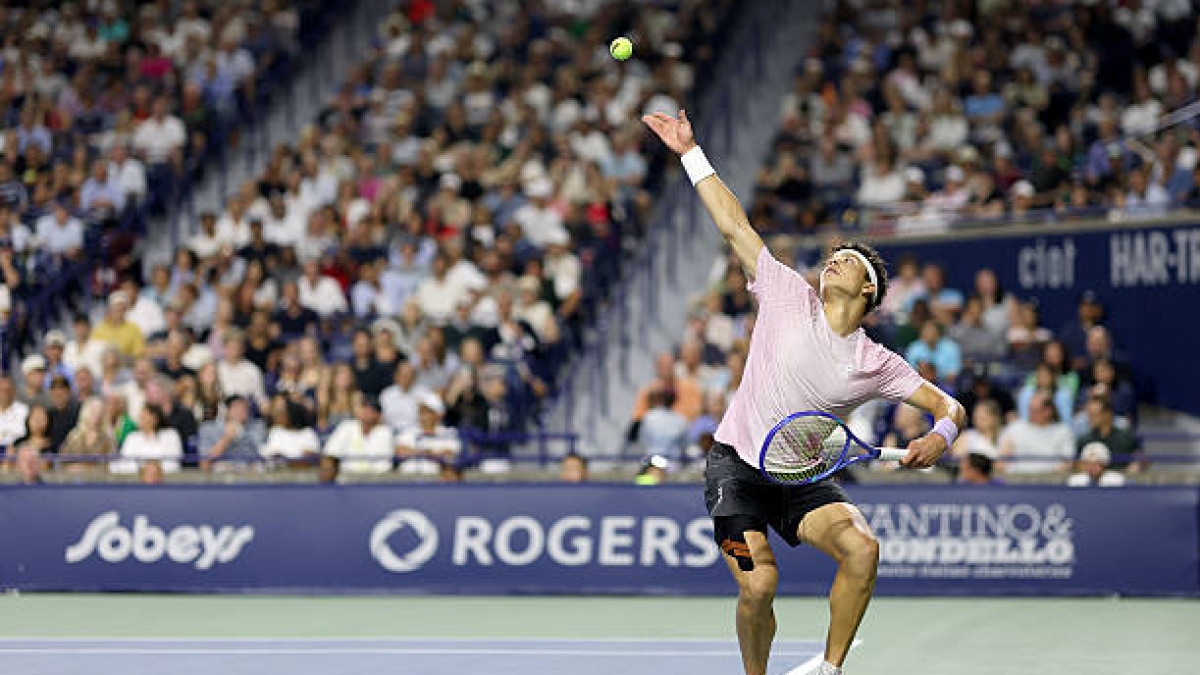


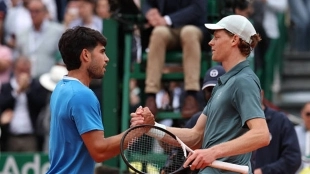
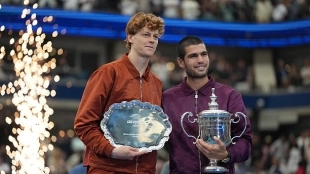
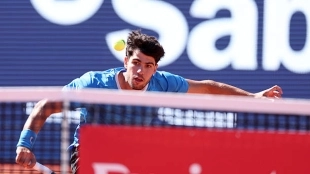
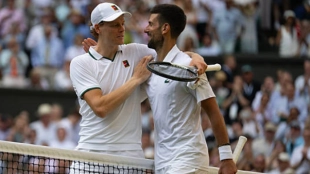
The Canadian Masters 1000 is not short of disappointments, as once again it has seen the biggest superstars of the circuit deciding to skip the tournament with future prospects in mind. Apart from the withdrawal of Carlos Alcaraz due to his wrist injury, it was announced yesterday that Jannik Sinner and Novak Djokovic will also not compete in the tournament, putting one of the most emblematic events of the circuit in jeopardy.
The calendar is so demanding that it forces tennis players to choose between tournaments, and logically, the Canadian Masters 1000 typically tends to suffer the most. Being played a few weeks after Wimbledon and marking the transition to a different surface, a significant portion of the best circuit players prefer going straight to Cincinnati and then on to play the US Open to have an extra week of rest and adaptation.
Last year, Karl Hale (tournament director) complained about this and stated that he would try to have Alcaraz and Sinner this year, although it ultimately was not possible. This is a blow due to the economic losses it entails and the level of anticipation, which decreases significantly. The tournament pays a lot of money to the ATP and is witnessing results that do not correspond due to external factors, while it seems impossible to consider rescheduling it to another week in the calendar due to a lack of space. Considering that there will be another Masters 1000 in the Middle East in the near future, this tournament could even be at risk of being downgraded.
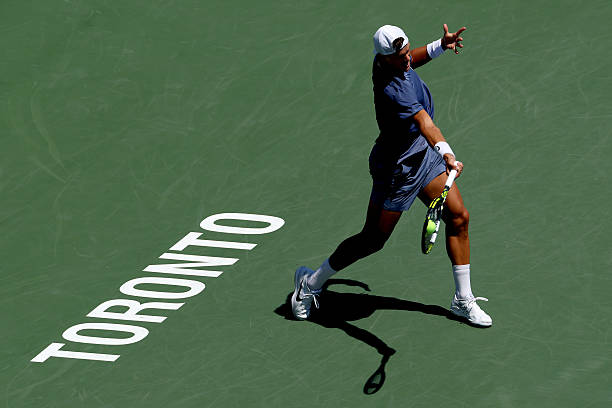
The format change of the Masters 1000 does not affect this issue
Some experts have criticized the situation and have blamed the new two-week format of the Masters 1000 as the main cause for the increasing recurrence of these incidents. However, this is not true, as it dates back much earlier. For example, Pete Sampras skipped this tournament 6 times, while only skipping Cincinnati once. The same applies to Roger Federer later on, as he has only played it twice since 2011 while playing in Cincinnati 6 times.
Canada had been ignored by some of the game's biggest stars LONG BEFORE the introduction of a 12-day format.
— Oleg S. (@AnnaK_4ever) July 24, 2026
Sampras skipped it 6 times (Cincy — once).
Federer after 2011 played it only twice (Cincy — 6 times).
Cincy also invested heavily into upgrading its site and facilities. https://t.co/zlIAQUByFW
Therefore, more than a question of duration, it is a matter of the general calendar and the demand for players to have barely any weeks of rest, leading to unfortunate events like this one. In fact, a similar situation occurs with the Masters 1000 in Monte Carlo, which kicks off the clay court season. Many players prefer to skip it every year to have an extra week of preparation before transitioning from hard courts to clay, and there is little that can be done about it.
The most concerning aspect is precisely that there is no clear solution to this dilemma, as players have the right to prioritize their physical well-being so that there isn't a wave of injuries and their bodies don't reach their limit. The flip side is the tournament itself, which sees its prestige diminish in the face of an unsustainable situation that could blow up at any moment, likely bringing very negative consequences in the medium term.
This news is an automatic translation. You can read the original news, El calendario pone en jaque al Masters 1000 de Canadá
-
 25 Jul 2026 | 11:00The calendar puts the Masters 1000 in Canada in check
 -
 24 Jul 2026 | 08:00The 3 historical records Djokovic can break at the US Open 2026
 -
 24 Jul 2026 | 19:00"Federer knew he was very good and didn't deny it"
 -
 24 Jul 2026 | 13:00The most unexpected Grand Slam champions and finalists in tennis history
 -
 25 Jul 2026 | 12:00Auger-Aliassime and the opportunity of his life at the Masters 1000 in Canada
 -
 25 Jul 2026 | 10:00Sinner says goodbye to the 9 Masters 1000 in a year with a surprising decision
 -
 24 Jul 2026 | 20:00Lethal blow to the Masters 1000 in Canada: Sinner and Djokovic withdraw