|
20 Jul 2026 | 10.23
|
20 Jul 2026 | 10.23





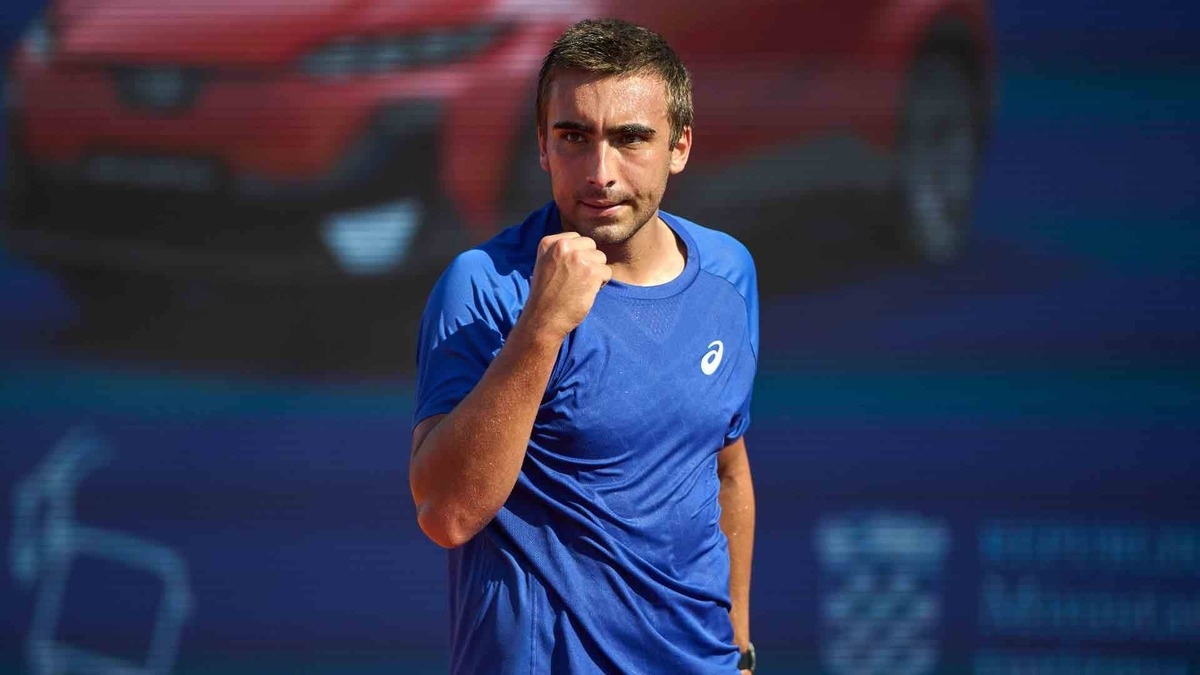


The ATP 2026 season is showing a particularly striking trend. By mid-July, eight players have already claimed their first ATP title, a significant number that highlights the growing parity in the men's circuit. While the big names continue to dominate the Grand Slams and a good portion of the Masters 1000, the ATP 250 tournaments have become a perfect stage for new faces to make the definitive leap.
The latest addition to this exclusive list is Madrid native Dani Mérida, who triumphed in Umag after defeating Damir Dzumhur. His victory adds to those previously achieved by Alejandro Davidovich and Rafael Jódar, making Spain the country with the most debut champions this season. An even more remarkable fact considering that Mérida and Jódar are also the two youngest players among all who have secured their first ATP title in 2026.
A direct consequence of the calendar... and the immense average level
It does not seem coincidental that the number of new champions continues to grow season after season. The current calendar forces the world's top players to carefully manage their efforts, prioritizing the Grand Slam and the Masters 1000, while many ATP 250 tournaments are inevitably relegated to the background.
When the big names participate in these tournaments, they do not always do so in full condition. Accumulated physical wear and tear, minor injuries, the need to prepare for the big events, or simply mental fatigue end up narrowing the gaps compared to a large group of hungry, confident players who feel they are seizing a unique opportunity.
New Champions 2026☝️🏆🚹
— Fernando Murciego (@fermurciego) July 18, 2026
🇦🇷 Tomás M. Etcheverry (26)
🇦🇷 Mariano Navone (25)
🇪🇸 Rafa Jódar (19)
🇵🇪 Ignacio Buse (22)
🇵🇱 Kamil Majchrzak (30)
🇪🇸 Alejandro Davidovich (27)
🇧🇪 Zizou Bergs (27)
🇪🇸 Dani Mérida (21) pic.twitter.com/ypCPkkP4U1
This context has significantly democratized ATP titles. It is no longer uncommon to see players ranked outside the Top-30 finding the perfect week to defeat higher-prestige opponents and lift the most important trophy of their careers.
But not everything is governed by the calendar. There is also an evident phenomenon: the average level of the circuit has never been so high. It is increasingly difficult to progress through several consecutive rounds without delivering tennis close to excellence, regardless of the ranking of the opponent on the other side of the net. The competitive depth of the circuit is greater than ever, explaining why there are more players prepared to seize any opportunity.
Spain leads a generation of new champions
Within this general trend, Spanish tennis stands out. The titles of Alejandro Davidovich, Rafael Jódar, and Dani Mérida allow Spain to boast of having produced three debutant ATP champions in just seven months. An extraordinary figure that reflects both the depth of national tennis and the emergence of a new generation ready to take the spotlight.
In Davidovich's case, the title represented a long-awaited reward for a player who had been among the world's best for years without being able to lift an ATP trophy.
The case of Rafael Jódar and Dani Mérida is very different. Both from Madrid, they represent the immediate future of Spanish tennis and have already shown they have the level to compete for ATP titles at just 21 years old. The fact that they are the two youngest debut champions of 2026 is probably one of the most exciting data points for Spanish tennis.
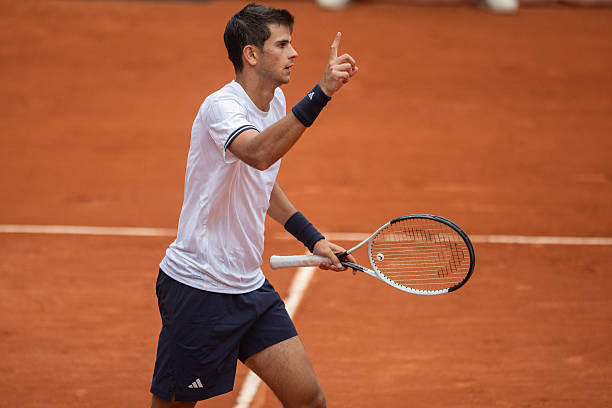
Of particular significance is Mérida's growth, able to climb from 163rd in the ATP rankings to the Top-60 in just a few months, confirming that his rise is not just due to a single good week. On the other hand, Jódar continues to establish himself as one of the most solid projects on the circuit and reaffirming the high expectations accompanying his career.
Clay and grass courts continue to reward specialists
There is another piece of data that helps interpret this season from a broader perspective. The eight new champions of 2026 have won their first ATP title on clay or grass courts. None has done so yet on hardcourts.
It is a very revealing circumstance because it demonstrates that, despite the evident homogenization of surfaces experienced during the last two decades, there are still scenarios where certain player profiles maintain a very marked competitive advantage.
Clay courts continue to be the ideal territory for specialists who may have more difficulties transferring their tennis skills to other surfaces, but who find in clay the perfect ecosystem to display all their virtues. Additionally, many of these tournaments come at times in the calendar when the top stars rest or prioritize other goals, creating more open draws. The South American tour is a magnificent example of this, but also European tournaments like Bucharest, Bastad, Gstaad, or Umag, where numerous players have seized the opportunity to make a big leap.
In that context, cases like those of Dani Mérida, Rafael Jódar, or several other champions on clay fit perfectly. They have all combined excellent playing levels with the ability to take advantage of weeks where the draw offered a real chance to make history.
Grass, on the contrary, follows a completely different logic. It's not so much a matter of the absence of big names as it is of adaptation. Many players only compete in a few matches on grass each year and never truly feel comfortable, while others possess natural qualities that allow them to excel effortlessly from day one.
Examples like Zizou Bergs, Alejandro Davidovich, or Kamil Majchrzak stand out, capable of understanding much better the specifics of a surface where the serve, aggressiveness, and reaction speed acquire even greater importance. In a short grass season, a couple of inspired weeks can completely change a career.
Ultimately, although the differences between surfaces are much smaller today than twenty years ago, specialization still holds significant value. Clay continues to offer opportunities to players well-adapted to it, while grass continues to reward those with a natural aptitude for competing on its surface. It doesn't seem coincidental that all eight debutants of the season have emerged precisely on these two surfaces.
Who Could Be the Next Debut Champion?
With still several months of competition ahead, everything suggests that the list will continue to grow. There are several players who have enough arguments to debut their track record before the end of the season.
The name at the top of almost every prediction is Matteo Arnaldi. The Italian currently holds the 34th position in the ATP rankings, being the highest-ranked player in the world who has not yet won an ATP tournament. His consistency and the level he has been showing for months suggest that the question is not so much if he will lift a title, but when that moment will come.
Also emerging strongly is Arthur Fery, one of the players who has progressed the most this season. His definitive breakthrough, especially after his outstanding performance at Wimbledon, has placed him in an ideal position to compete for ATP titles, especially on fast courts.
Another very interesting name is that of the Belgian Raphael Collignon, whose extraordinary week in Gstaad confirms that he is starting to feel comfortable in the decisive rounds of ATP tournaments. If he maintains this progression, it seems like only a matter of time before he finds his opportunity. Among the candidates, Alexander Blockx also deserves a special mention, another young Belgian whose growth has been constant and who has enormous room for progression.
Veterans with unfinished business and young Americans on the prowl
The list of contenders does not end there. Corentin Moutet remains one of the most talented players on the circuit who has not yet managed to translate that quality into an ATP title. If he can put together a emotionally stable week, he has enough resources to surprise practically anyone.
A similar situation is happening with Jaume Munar. The Balearic player has been solid on the circuit for years, has achieved numerous prestigious victories, and has reached several important rounds, but he continues to pursue that first trophy that would do justice to his enormous consistency.
Lastly, it is also worth paying attention to the new generation of American players. Both Alex Michelsen and Ethan Quinn represent two highly promising projects that could effectively take advantage of an ATP 250 event during the North American tour or the final stretch of the season to kick off their careers.
A trend that seems to be here to stay
Everything indicates that the current eight debutant champions are unlikely to be the last of the season. The competitive balance of the circuit, an increasingly demanding calendar, and the continuous improvement of the overall level favor the emergence of new opportunities every week for those pushing from behind.
Far from being a coincidence, this proliferation of new champions appears to reflect a structural transformation of men's tennis. While the top players still dominate the most significant stages, the rest of the circuit has never been so prepared to seize any opening.
And if, moreover, Spain has already produced three new champions, with Rafael Jódar and Dani Mérida leading the generational relay from Madrid, the immediate future looks promising. The feeling is clear: the ATP champions' club will continue to grow before the end of 2026.
This news is an automatic translation. You can read the original news, Los nuevos campeones ATP de 2026: ocho estrenos que reflejan un circuito más abierto que nunca
-
 20 Jul 2026 | 16:00Badosa rises again after another physical blow: "Today I couldn't continue"
 -
 19 Jul 2026 | 18:00Bombshell: WTA to require players to undergo sex determination tests
 -
 20 Jul 2026 | 11:00Badosa is forced to retire in the final of the Iasi tournament
 -
 19 Jul 2026 | 19:00ATP Ranking: Rublev and Tsitsipas Redeem Themselves, Mérida Surpasses Itself
 -
 19 Jul 2026 | 14:00"Sinner's serve is now among the best in history"
 -
 20 Jul 2026 | 08:00Rublev conquers Bastad and strengthens his return to the tennis elite